.png?sw=240&sh=406)





L'OCCITANE Supports Hometree
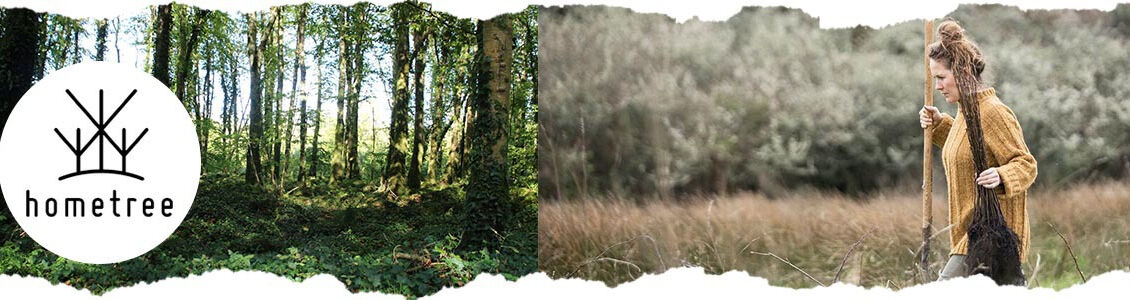
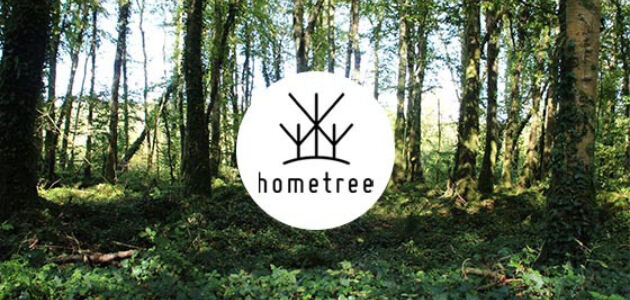
Since 1976, L'OCCITANE has been protecting the richness of our lands and we are committed to defending biodiversity for the generations to come. Respecting Biodiversity is a key commitment of L'OCCITANE's.
Over the past four years, L'OCCITANE has been working with HOMETREE, donating over €222,000 to restore and protect our natural forests.
This year we are celebrating our donation of £15k to Hometree.
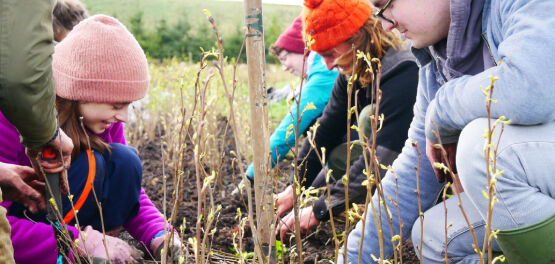
To date, we have helped plant over 12,200 native trees and purchased seeds and compost for 100,000 new samplings to be planted.
In Ireland, our work with Hometree has provided permanent protection for 3 acres of wild Atlantic rainforest.
By training volunteers, installing beehives and working with wildlife experts, our funding will also help introduce new animal species back into woodland areas to create a naturally stronger eco system for us all.
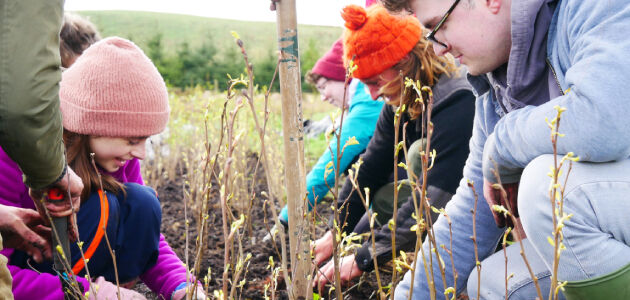
*Image by @studiowork_ireland @hometree.ie #hometree #moretreesplease
**L'OCCITANE has been woring with Hometree since 2020. General estimation based on recent cost sand confirmed by the charities. Hometree registered charity number (20206254).
Why HOMETREE?
Large-scale problems like global biodiversity loss do not require large-scale solutions. Rather, they require small-scale solutions within large-scale frameworks. HOMETREE works to be one of those frameworks, supporting the real solutions that look like diverse trees, creatures, woodlands and communities. Ireland was once a land of forest. At one time, up to 80% of the country was covered in native wildwood.
Today, Ireland is one of the most deforested countries in Europe. Just over 1% of the original forest cover remains. HOMETREE's vision is to restore Ireland's ancient wildwood. Though conservation, afforestation and education the aim is to create a landscape in which people and forest flourish, together.
Our Biodiversity Is Threatened

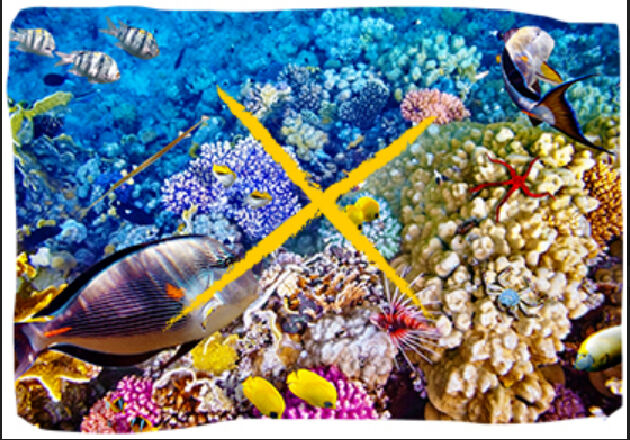
Over half of the world's coral reefs have disappeared in the last 30 years.
.jpg?sw=630&sh=440)
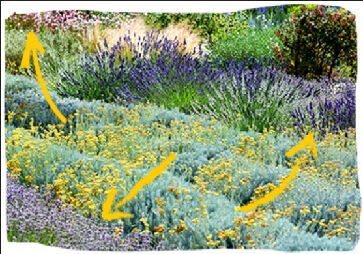
12,000 species of plants are endangered.
.jpg?sw=630&sh=440)
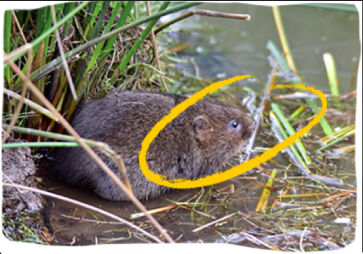
The number of vertebrates in the world has been halved since 1970.
Our Commitment - Respecting Biodiversity
We are dedicated to defending and promoting the unique biodiversity of our lands.
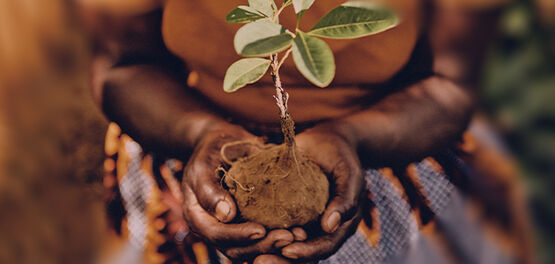
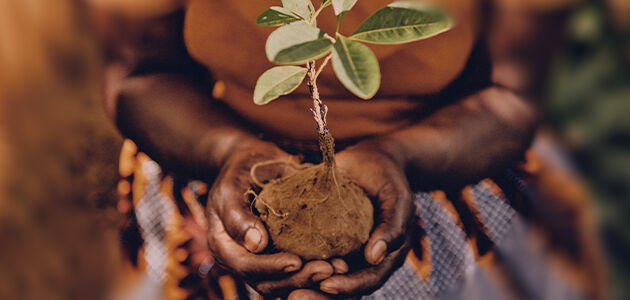
At L'OCCITANE, we aim to plant over 31,000 trees across the globe which will help improve ecosystems, regenerate lands & protect wildlife.