.png?sw=240&sh=406)





Eau de Toilette vs Eau de Parfum: what’s the difference?
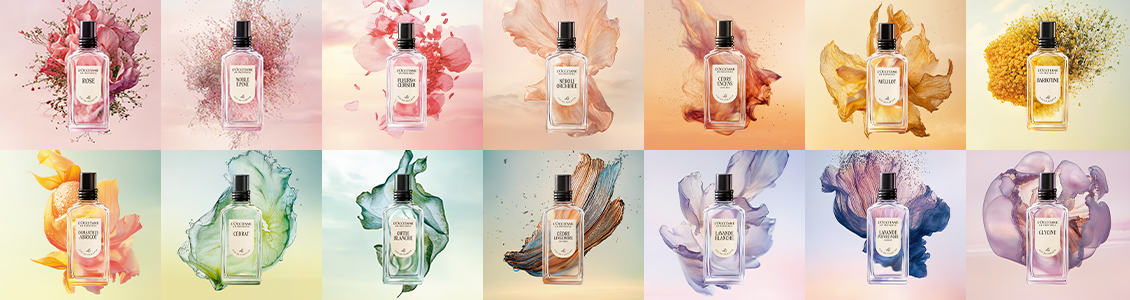
Fragrance is personal, like a memory you wear. If you’re choosing between Eau de Toilette (EDT) and Eau de Parfum (EDP), the difference isn’t just a label on the bottle. It can shape how a scent feels on your skin: its brightness at first spray, how it settles into the heart notes, and how long it lingers as the day unfolds.
Below, we explain what EDT and EDP mean, how they typically differ in concentration, projection (sillage) and longevity, and which format to choose for your routine, whether you love an effortless daytime trail or a more enveloping evening signature.
In short. EDP is typically richer and often lasts longer. EDT is usually lighter, fresh-feeling and easy to wear every day. Skin type, temperature and application can change how any fragrance performs.
Explore our most iconic perfumes and home fragrances. Open a new door each day to discover the art of Provençal perfumery</p>
What does “Eau de Toilette” mean?
Eau de Toilette is a classic fragrance format that generally contains a lower concentration of fragrance oils than an Eau de Parfum. In practice, EDT often feels sparkling and airy at the top. It is ideal if you prefer a scent that’s present yet subtle.
It shines in daytime. It feels comfortable in warmer weather. It is a natural choice for the office. It also suits moments when you want a lighter signature that can be refreshed.
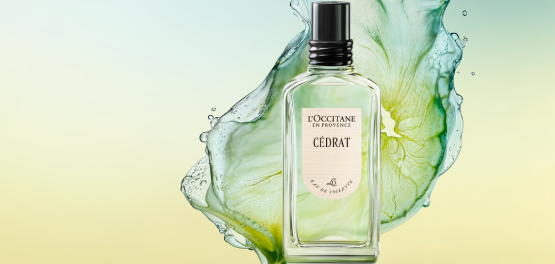
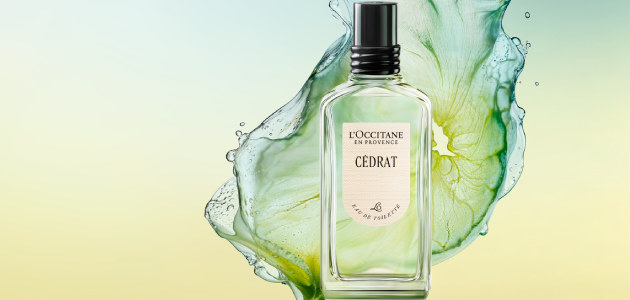
Eau De Toilette Fragrances


What does “Eau de Parfum” mean?
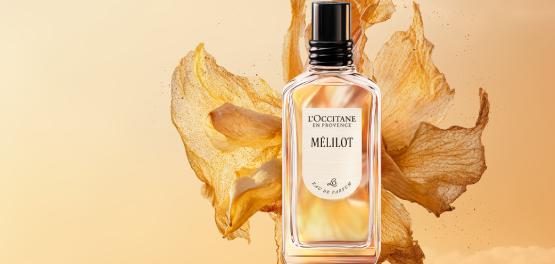
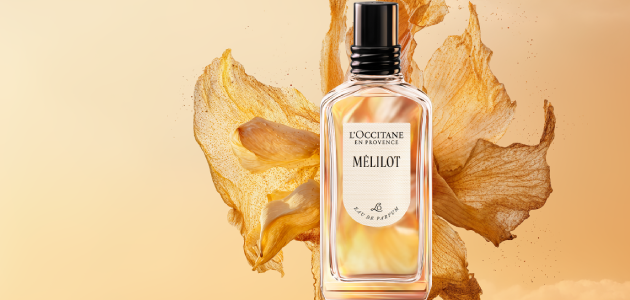
Eau de Parfum typically has a higher concentration of fragrance oils, which often creates a fragrance that feels more rounded and intense, with a longer-lasting impression on skin.
It shines in the evening. It feels beautiful in cooler weather. It suits special occasions. It also works whenever you want your fragrance to feel more enveloping and lingering.
Eau De Parfum Fragrances


Eau de Toilette vs Eau de Parfum: the key differences
Concentration and intensity
While every composition is unique, EDP is usually more concentrated than EDT. This can translate into a fuller, richer presence as the scent develops.
Sillage and projection
EDP often leaves a more noticeable trail. EDT can feel closer to the skin after the first bright opening.
Which is best for you
Choose EDT if you love freshness, subtlety and flexibility. Choose EDP if you want a deeper signature that tends to stay with you longer.
All our Fragrances


How to choose: a simple guide
Ask yourself a few questions. Do I want a fragrance for daytime or evening? Do I prefer light and fresh, or warm and enveloping? Will I wear it in summer, or in cooler months?
If you’re undecided, owning both formats can be effortless. Use EDT for daytime. Reach for EDP for evenings. Think of it as two moods within one fragrance wardrobe.
Find your fragrance family, from citrus to floral, from woody to fruity.
How to make any fragrance last longer, EDT or EDP
Apply on moisturised skin, because fragrance clings better. Spray on pulse points, such as the neck, wrists, and behind the ears. Avoid rubbing wrists together, and let the scent dry naturally. For a softer trail, mist once onto clothing, and patch-test delicate fabrics first.
FAQ
Does Eau de Parfum last longer than Eau de Toilette?
Often yes, because it’s typically more concentrated. Skin type, climate and application matter.
Is Eau de Toilette weaker than Eau de Parfum?
EDT is usually lighter in concentration and can feel fresher, especially at first spray.
Is Eau de Parfum better?
Not necessarily. EDP is ideal for intensity and longevity. EDT is perfect for an easy, everyday signature.
